Which Is Cheaper? Gas vs Electric Boilers for UK Homes
Money Saving
For most UK homes, gas boilers are cheaper to run. In 2025-2026, electricity costs more per kWh than gas under the Ofgem price cap, but is more efficient.
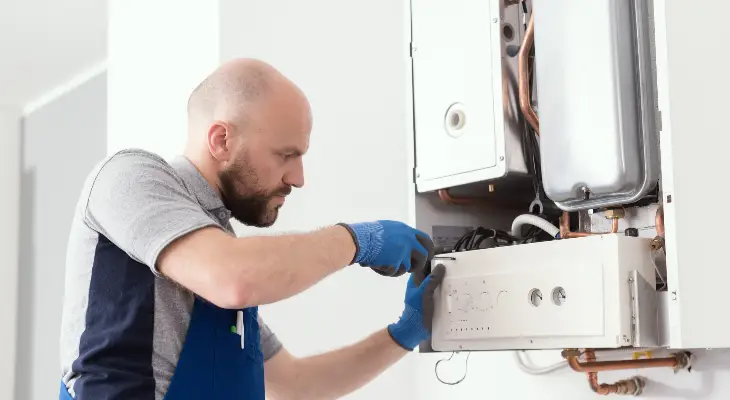
Most homeowners only notice a drop in boiler efficiency when rooms feel cooler, or the heating takes longer to respond. A few simple boiler maintenance tips can improve your boiler efficiency, reduce the chance of sudden breakdowns, and help your system last longer. Regular checks and a yearly service support safe operation and steady performance.
Government research shows that people are paying closer attention to how they heat their homes. The Department for Energy Security and Net Zero’s Public Attitudes Tracker for Winter 2024 and Spring 2025 reports that around 86% of people are aware that the way we heat homes needs to change to meet climate targets. However, only about 39% feel they know a fair amount or a lot about these changes, and 48% want more information on reducing energy use at home [1]. For many households, simple routine checks help your boiler cope better with daily demand.
This guide sets out clear boiler maintenance tips you can follow at home, along with guidance on when it is safer to call a qualified engineer.
An annual boiler service is one of the most important steps you can take to keep your system running safely and efficiently. During a service, a Gas Safe registered engineer checks combustion, ventilation, boiler pressure, and key internal parts to confirm they are working as they should. The Health and Safety Executive (HSE) advises that all gas appliances, flues and pipework should be installed, regularly maintained and serviced at least once a year by a Gas Safe registered engineer, and that someone on the Gas Safe Register must carry out any gas work in the home [2].
HSE also notes the risk of carbon monoxide, and that a small number of people in Great Britain die from gas-related carbon monoxide poisoning each year, and unsafe appliances can harm more. They strongly recommend the use of carbon monoxide alarms that meet British Standard EN 50291, while making clear that alarms are an extra precaution and do not replace regular servicing and safety checks.
Regular servicing helps maintain performance and reduces strain on critical components. Minor issues, such as partial blockages or weak ignition, can reduce heat output over time, which leads to higher fuel use. Booking a service before the colder months gives your boiler the best chance of coping with higher demand. If your boiler is older or has started to perform inconsistently, a service can provide a clearer picture of its condition and whether further work is needed.
Your boiler works best when its pressure stays within the manufacturer’s recommended range. The Gas Safe Register notes that pressure can drop as boilers age, and that repeated pressure losses often indicate a developing issue that requires attention from a qualified engineer.
Simple checks at home can help you spot changes early:
If you notice any of these signs, or if pressure continues to drop after topping up, it is safer to speak with a Gas Safe registered engineer rather than attempt repairs yourself. You can learn more about common boiler issues and safe maintenance in the Gas Safe Register’s home boiler guide [3].
For persistent pressure issues or circulation problems, our boiler repair service provides diagnostics and corrective work.
A boiler needs space for safe airflow. Storing items close to the appliance can restrict ventilation and make routine visual checks harder than they need to be. Keeping the area tidy helps engineers reach valves and controls quickly during servicing or repairs.
If your boiler is in a cupboard, keep the space free of coats, cleaning supplies, or anything that could block airflow. A clear area also reduces heat buildup and keeps surrounding materials safe. This is especially important if your boiler is located in a hallway or kitchen where items are frequently moved around.
If you are looking to replace or move your boiler, we are here to help. Our team can guide you on safe clearances and the best boiler installation options.
Cold weather can cause condensate pipes to freeze, which shuts the boiler down until the blockage clears. Insulating exposed pipework is a simple way to prevent frozen pipes and sudden heating failures in cold weather.
Homeowners can add foam lagging to pipe sections in lofts, garages, or external walls where temperatures drop. This helps maintain water flow during cold spells. Regular checks before winter allow you to spot any gaps or worn insulation that may need replacing.
If your boiler struggles during colder months despite insulation, an engineer can check whether the system needs adjustment or an upgrade to achieve more stable performance.
Boilers sometimes give early warning signs when something is developing inside the system. Sounds such as tapping, kettling, or vibration can indicate limescale, circulating air, or a failing component. Smells that resemble burning or gas require immediate attention. These issues should not be inspected at home.
If you detect changes in sound or smell, switch the system off and contact a qualified engineer. Reporting changes promptly gives engineers a better chance to fix the issue before it affects your whole system.
Our engineers can investigate unusual behaviour and carry out safe repairs. Visit our boiler controls page for more information on the diagnostic support we offer. If you decide that replacement is the right step, our team provides interest-free boiler finance options to help spread the cost. For seasonal heating tips and practical updates, you can also read our latest advice on our news page.
Routine boiler maintenance gives you more predictable heating and fewer surprises. The checks in this guide help you handle the basics confidently and know when a specialist is needed. When problems go beyond basic checks, it is safer to ask a qualified engineer to take a closer look.
It is a good idea to call a heating engineer if you notice:
A Greenstar engineer can carry out tests, confirm whether the boiler is safe to use, and explain the most sensible next steps. This might lead to a focused repair, a deeper system clean, or a plan to update an ageing boiler when the time is right. To see how problems are diagnosed and resolved in real homes, you can visit our case studies page.
Call 01202 355 344 or arrange your free consultation to book a boiler service, discuss repairs, or plan an efficient replacement with our team.
[1] GOV.UK, “The Department for Energy Security and Net Zero’s Public Attitudes Tracker for Winter 2024 and Spring 2025”: https://www.gov.uk/government/statistics/desnz-public-attitudes-tracker-winter-2024/desnz-public-attitudes-tracker-heat-and-energy-use-in-the-home-winter-2024-uk
[2] The Health and Safety Executive (HSE): https://www.hse.gov.uk/gas/domestic/faqownerocc.htm
[3] Gas Safe Register, “home boiler guide”: https://www.gassaferegister.co.uk/gas-safety/gas-appliances/boiler-appliance-guide/

Recent Posts
For most UK homes, gas boilers are cheaper to run. In 2025-2026, electricity costs more per kWh than gas under the Ofgem price cap, but is more efficient.
Heating system efficiency improves when you look after your boiler, maintain radiators, and set heating controls so your home stays warm using less energy.
Learn what to expect during your boiler installation. Understand how to prepare, what steps to follow, and what to expect from start to finish. Book now.