Which Is Cheaper? Gas vs Electric Boilers for UK Homes
Money Saving
For most UK homes, gas boilers are cheaper to run. In 2025-2026, electricity costs more per kWh than gas under the Ofgem price cap, but is more efficient.
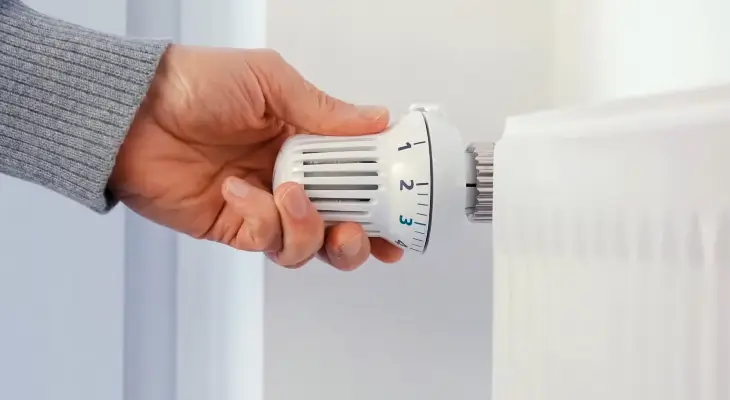
Improving heating system efficiency helps your home warm up more quickly and reduces the amount of energy the system uses each day. One of the most effective ways to do this is to keep the boiler in good condition and ensure the radiators circulate heat properly. When both are looked after, you get more efficient heating, lower heat loss through the system and better overall energy saving every day.
Independent energy advice consistently points to a simple pattern. Homes that combine a well-maintained boiler, free-flowing radiators, sensible heating controls and good insulation typically use less energy and cost less to run over time. Minor changes to how your system is set up and cared for can make a noticeable difference to both comfort and monthly bills.
This guide sets out clear steps you can take to look after your boiler, maintain your radiators and improve your heating controls so your home stays comfortable while using less energy.
The boiler provides heat to the entire system, so its condition directly affects how efficiently your home warms up. A system that heats slowly, or causes some radiators to stay cooler than others, can often be linked to reduced boiler performance.
Regular boiler servicing helps maintain boiler efficiency and reduces the risk of breakdowns. During a service, an engineer checks combustion performance, safety controls, and internal components to ensure the boiler is working correctly.
Boiler pressure also plays an important part. Most boilers have a recommended pressure range shown on the front panel or in the manual. If the pressure is too low, the system struggles to circulate hot water through the radiators. If it is too high, it can place strain on parts of the system. Regularly checking the pressure gauge and following the manufacturer’s guidance helps maintain steady performance.
It also helps insulate the pipes near the boiler, especially where they pass through cooler areas such as garages or loft spaces. Pipe insulation reduces heat loss as hot water leaves the boiler and travels around the home, which supports more efficient day-to-day operation. According to BBC News reporting on energy costs [1], the average UK household now spends over £2,500 annually on energy, making boiler efficiency improvements increasingly crucial for managing household budgets.
Radiators work best when hot water can flow freely through the system. Over time, trapped air or a build-up of sludge can interrupt this flow, leaving rooms slower to warm and the boiler working harder than it needs to.
These small steps help improve heat distribution across your home, reduce wasted energy and keep your system running smoothly. If cold patches persist, our power flushing service can clear deeper blockages and restore full performance.
Smart heating controls help the system use energy more efficiently by adjusting heat based on how the home is used. The Energy Saving Trust notes that installing a room thermostat and thermostatic radiator valves can save around £110 per year on heating bills [2]. This supports better day-to-day performance and keeps running costs steady.
Smart thermostats can learn your routine and automatically adjust heating times. This helps the system avoid heating an empty home and makes it easier to maintain steady temperatures. Many modern boilers also support load compensation or weather compensation features, which adjust the water temperature based on indoor demand or outdoor conditions. These minor adjustments help reduce energy waste and improve system performance.
Zoning is another effective option. By separating your home into zones, you can control heat in the rooms you use most without warming the ones you don’t. Thermostatic radiator valves (TRVs) also help by reducing heat flow once a room reaches its set temperature. This supports more efficient heating day to day and helps keep running costs steady.
Lowering the boiler’s flow temperature can improve heating efficiency, especially in modern condensing boilers. Many boilers run at a higher temperature than required, which limits their ability to operate in condensing mode. Reducing the flow temperature to a moderate level allows the boiler to recover more heat from the flue gases, improving efficiency without reducing comfort.
Good insulation is another important factor. Heat is often lost through lofts, walls and uninsulated pipework. According to GOV.UK’s guide on insulating your home, a properly insulated loft can save up to £355 annually on heating bills [3]. Well-insulated homes retain heat longer, reducing demand on the boiler during colder months.
Simple habits can also support long-term system optimisation:
These small steps keep performance steady and reduce the risk that the system will become less efficient over time.
Some heating issues can be managed at home, but ongoing problems should be checked by a qualified engineer. Suppose your boiler and radiators still struggle after basic radiator maintenance, or you notice ongoing pressure loss and new noises. In that case, it may point to deeper circulation problems, worn components or hidden leaks. Getting professional support early helps protect your system, keep your home comfortable, and support better long-term heating system efficiency.
Greenstar’s accredited engineers can assess your boiler, radiators and controls, then recommend the most effective way to improve performance. The team can carry out safe heating repairs, advise on suitable boiler controls and help you get more from your existing system. For fault finding and repairs, visit our boiler controls service page.
Call 01202 355 344 or arrange your free consultation to discuss how to improve your heating system efficiency and cut your heating bills.
[1] BBC News, “energy costs”: https://www.bbc.co.uk/news/articles/cdd29v8mp9jo
[2] The Energy Saving Trust: https://energysavingtrust.org.uk/advice/thermostats-and-heating-controls/
[3] GOV.UK, “guide on insulating your home”: https://www.gov.uk/improve-energy-efficiency

Recent Posts
For most UK homes, gas boilers are cheaper to run. In 2025-2026, electricity costs more per kWh than gas under the Ofgem price cap, but is more efficient.
Boiler maintenance tips improve boiler efficiency with annual servicing, pressure and radiator checks, keeping the boiler area clear, and insulating pipes.
Learn what to expect during your boiler installation. Understand how to prepare, what steps to follow, and what to expect from start to finish. Book now.