Which Is Cheaper? Gas vs Electric Boilers for UK Homes
Money Saving
For most UK homes, gas boilers are cheaper to run. In 2025-2026, electricity costs more per kWh than gas under the Ofgem price cap, but is more efficient.
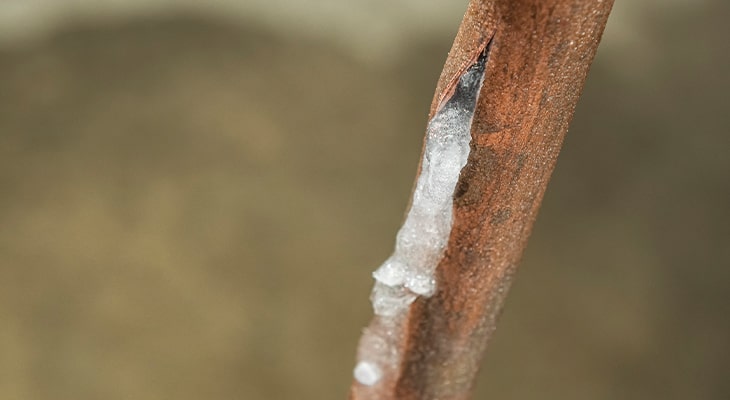
As winter temperatures drop across the UK, frozen pipes are a serious concern for homeowners. When water inside pipes freezes, it expands, putting significant pressure on the pipes, which can cause them to burst. This leads to costly repairs, water damage, and potential disruption to daily life. The good news is that preventing frozen pipes is easier than you think and can save you from costly emergency repairs. In this guide, we’ll help you protect your plumbing from the cold. We’ll share valuable tips on insulation and heating, as well as advice on what to do if your pipes freeze.
Stay ahead of the chill and protect your home with our expert advice.
Seasonal changes can severely affect your plumbing and air conditioning (AC) systems. When temperatures drop, the water inside your pipes can freeze, leading to potential bursts and leaks. This happens because water expands when it freezes, putting immense pressure on the pipes.
The same principle applies to your HVAC system. In the winter, your heating system has to work harder, which can lead to strain on the equipment and higher energy bills. During the summer, air conditioning systems experience increased stress, especially during heat waves. If you don’t regularly maintain your systems, neglect can lead to frozen pipes or AC breakdowns.
Older homes and systems are often more vulnerable to these temperature fluctuations. It’s essential to prepare and take steps to ensure your plumbing and HVAC systems can effectively manage the changing seasons.
Prevent frozen pipes and system stress by taking simple precautions to protect your plumbing and HVAC systems from the cold.
The primary concern with cold weather is the risk of frozen pipes. When water inside the pipes freezes, it expands, putting pressure on the pipe. This pressure can lead to cracks or even bursts. It’s a significant issue in areas such as basements, lofts, garages, or any part of the house that lacks proper heating or insulation.
To prevent frozen pipes, you must focus on insulating exposed pipes. Protect those near external walls or in areas that aren’t regularly heated. Cold water tanks are another common culprit and should also be adequately insulated to prevent freezing.
Warning signs of freeze-risk plumbing include:
If you notice any of these, it’s crucial to act fast to prevent further damage. For a more thorough check, it’s best to have a plumbing inspection performed by a local expert, especially if your plumbing is old.
Your air conditioning system can also be vulnerable to cold weather. If you have an outdoor unit, snow and frost can cause components to freeze, reducing efficiency or causing mechanical issues. It’s essential to cover or elevate outdoor AC units to protect them from the elements.
Additionally, if your AC system is underused during the winter months, condensation inside the system can freeze. To avoid this, ensure the system is properly maintained during the winter and run it periodically, even if you don’t need cooling.
Inspect your plumbing for damage. Then, get your air conditioning system ready for summer. This keeps both in good shape for the warmer days ahead.
After winter’s freeze-thaw cycle, it’s crucial to inspect your plumbing for any damage. Look for hairline cracks in your pipes, as these can worsen over time, especially when the temperature fluctuates. Slow leaks can also go unnoticed until they cause significant damage.
Also, make sure to test outdoor taps and check for leaks behind walls or under sinks. Check areas that may have been hidden during the colder months. Inspect outside water tanks and any plumbing in garages or basements that are not in use.
Before the summer heat kicks in, take the time to ensure your air conditioning system is ready for the season ahead. Clean or replace the filters, and then test the system to ensure it’s cooling effectively. Servicing your AC early in the season can stop overheating. This way, you also keep it running smoothly.
Consider checking your boiler pressure and bleeding radiators during this time as well. A well-kept system keeps your home comfy in the warm months and prevents surprises.
Maintain your cool by taking care of your plumbing and air conditioning. This helps avoid breakdowns and lowers energy costs.
In the summer, pipes can expand due to the heat, potentially leading to pressure issues or pipe movement. Increased water usage, like watering the garden or filling a pool, can put more strain on your plumbing system. This is the perfect time to check for leaks, especially in hidden areas like behind walls or in the ceiling.
Additionally, your water softener and boiler may experience stress during increased water usage. Regular checks on these systems can prevent bigger issues down the line.
Heat waves create extra pressure on your air conditioning. This can lead to inefficiency or even cause it to break down.
The following can force the system to work harder:
These can lead to higher energy costs, so ensure your AC is serviced regularly and check refrigerant levels to prevent strain on the system. Consider smart thermostats or zone controls. They help manage cooling more effectively, especially in larger homes.
Get ready for freezing weather by maintaining and inspecting your plumbing and HVAC systems for winter.
As the weather begins to cool, it’s time to get your plumbing ready for winter. Shut off and drain garden taps, and make sure external pipes are adequately insulated. Loft tanks and pipes should also be checked for insulation to avoid freezing. It’s smart to clear gutters and downpipes. This helps water flow freely in heavy rain and stops ice from building up in freezing weather.
Before turning off your air conditioning for the season, clean the condenser coil. Then, cover the outdoor unit to shield it from the cold. These steps will help extend the lifespan of your system and ensure it’s ready to perform when the warm weather returns.
Sometimes, despite regular maintenance, you may need professional help for more significant issues.
When it’s time to call the experts:
Routine plumbing checks and AC servicing can prevent emergencies, saving you from costly repairs. Regular maintenance brings peace of mind and ensures your systems are set for seasonal changes. Whether you need a quick inspection, installation, or repairs, our expert team is here to help.
Call 01202 355 344 to book your seasonal system check with Greenstar today and ensure your home runs smoothly, no matter the weather.

Recent Posts
For most UK homes, gas boilers are cheaper to run. In 2025-2026, electricity costs more per kWh than gas under the Ofgem price cap, but is more efficient.
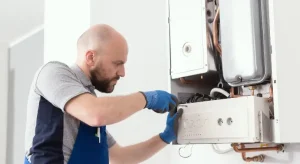
Boiler maintenance tips improve boiler efficiency with annual servicing, pressure and radiator checks, keeping the boiler area clear, and insulating pipes.
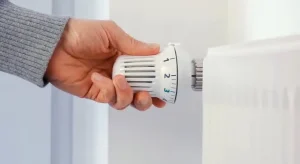
Heating system efficiency improves when you look after your boiler, maintain radiators, and set heating controls so your home stays warm using less energy.