Which Is Cheaper? Gas vs Electric Boilers for UK Homes
Money Saving
For most UK homes, gas boilers are cheaper to run. In 2025-2026, electricity costs more per kWh than gas under the Ofgem price cap, but is more efficient.
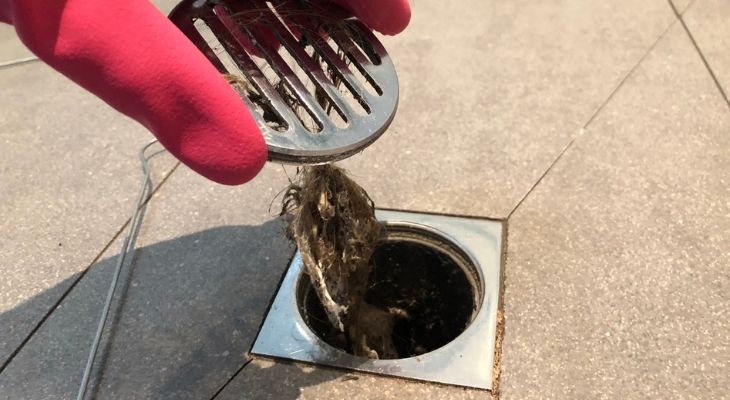
Our drainage experts share the warning signs of a blocked drain, as well as how to prevent blockages from happening again in the future.
If you’ve noticed that your bathroom or kitchen has started to smell like sewage or rotten eggs, a blocked drain is probably the cause. This could either be down to stagnant water or bacteria build-up, or the material that makes up the blockage starting to rot. A bad smell is likely to be the first sign of a blocked drain, so be sure to pay attention to any new or unusual odours.
Water quickly building up in your shower or sink and taking longer to drain that usual is a sure sign that there is a blockage slowing the flow of water through your pipes. You may start to notice your sink or shower tray filling up when you run the taps. If the blockage is serious, this water may end up sitting around for a while.
You may also start to notice gurgling or rattling sounds coming from your pipes, drains, plug holes, and toilet flushes. This noise occurs when air that’s been trapped by the blockage becomes displaced and is forced back up through the pipes.
The main way to prevent a blocked drain is to simply be mindful of what you pour down your plug holes and flush down your toilet.
Things to avoid:
If you suspect you’ve got a blocked drain, it’s important to get it looked at as soon as possible. If left untreated, the blockage could grow in size and severity. This could cause more serious damage to your pipes and even lead to flooding in your home.
To minimise any inconvenience caused by a blocked drain, we offer 24/7 support. Please don’t hesitate to get in touch with our team today on 01202 355 344.

Recent Posts
For most UK homes, gas boilers are cheaper to run. In 2025-2026, electricity costs more per kWh than gas under the Ofgem price cap, but is more efficient.
Boiler maintenance tips improve boiler efficiency with annual servicing, pressure and radiator checks, keeping the boiler area clear, and insulating pipes.
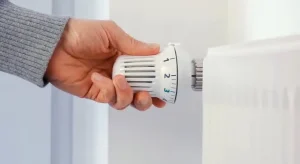
Heating system efficiency improves when you look after your boiler, maintain radiators, and set heating controls so your home stays warm using less energy.